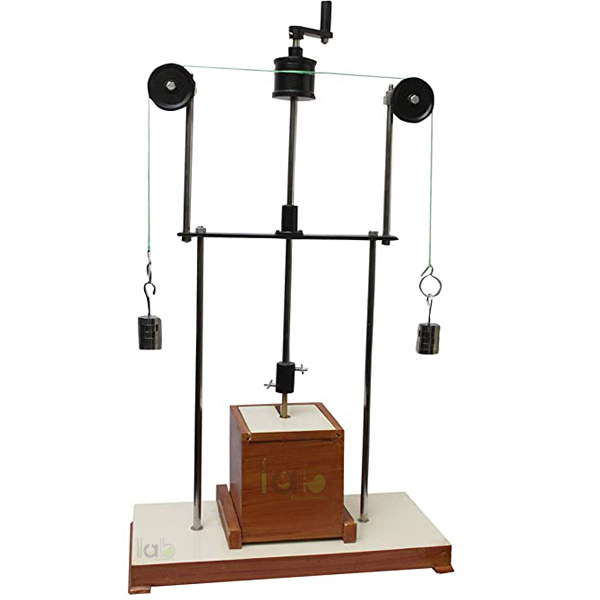
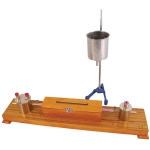
Quick Answer: Joule's Mechanical Heat Experiment Apparatus shows heat produced by the friction of rotating vanes. A cast aluminium cylinder carries rotating vanes on its axle, and the temperature of water in the copper vessel rises after two to three minutes of rotation.
Last updated: October 2026
Key Features
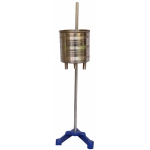
Cast aluminium cylinder rotating freely on a cast metallic pedestal
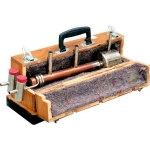
Rotating vanes on the axle and fixed vanes in a felt-lined wooden case
Copper water vessel; temperature rise after two to three minutes
Box slides freely on a wooden base and has a thermometer clamping device
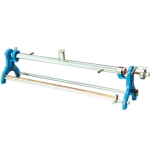
Two pulleys on an aluminium sliding bracket, with two sets of slotted weights and cord
Supplied without thermometer
Technical Specifications
Specification
Value
Rotor
Cast aluminium cylinder on cast metallic pedestal
Vanes
Rotating vanes on axle; fixed vanes in felt-lined wooden case
Designed to explain the basic principle of producing heat by friction, the apparatus converts the kinetic energy of the rotating vanes into heat in the water. This Heat item comes complete with pulleys, slotted weights and cord, and a thermometer, not included, fits the clamping device.
Frequently Asked Questions
Q1. How soon does the water temperature rise? The temperature of the water in the copper vessel rises after two to three minutes of rotation.
Q2. What comes with Joule's Mechanical Heat Experiment Apparatus? It is complete with two pulleys on an aluminium sliding bracket, two sets of slotted weights and cord. A thermometer is not included.
Lab Equipments Ambala packs and ships export orders for buyers in Montenegro, Tunisia and Georgia.

.jpg)
.jpg)