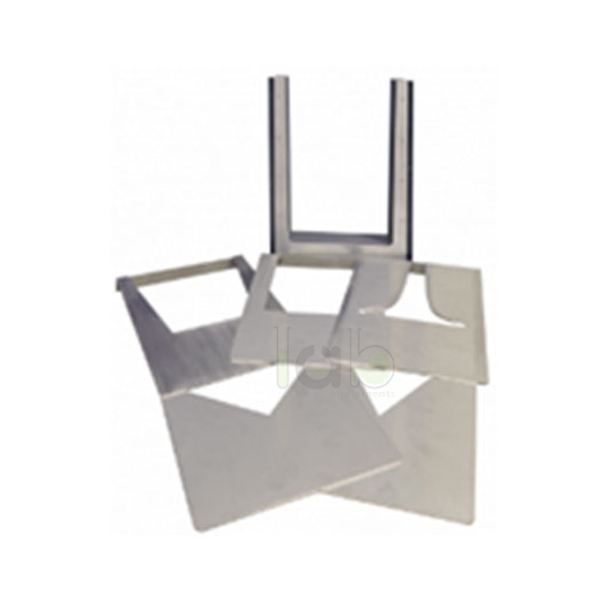
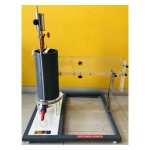
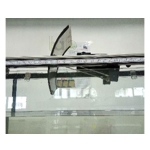
Quick Answer: Set Of Plate Weirs, Four Types provides 4 sharp-crested weirs for the experimental flume: a rectangular weir with optional aeration, plus Thomson, Cipoletti and Rehbock measuring weirs. All weirs have the same height, with stainless steel weir plates and a PVC holder.
Last updated: October 2026
Key Features
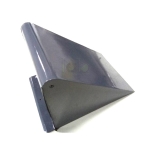
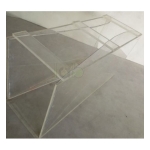
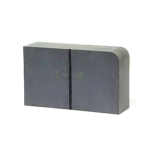
Rectangular weir with optional aeration to demonstrate flow over sharp-crested weirs
Thomson weir with triangular opening
Cipoletti weir with trapezoidal opening
Rehbock weir with rectangular opening
Holder for the measuring weir; holder and rectangular weir with lateral sealing lips
Weir plates in stainless steel; holder and rectangular weir in PVC
Sharp-crested weirs cause a defined backwater and are often used to determine the discharge of an open channel. In this set, the rectangular weir with optional aeration demonstrates the fundamentals of flow over sharp-crested weirs, while the other three serve as measuring weirs with defined triangular, rectangular and trapezoidal openings. All four fit the EXPERIMENTAL FLUME FLOW CHANNEL APPARATUS at an identical weir height, using one holder for the measuring weir under study.
Frequently Asked Questions
Q1. Which weirs are included in the set? A rectangular weir with optional aeration, a Thomson weir (triangular opening), a Cipoletti weir (trapezoidal opening) and a Rehbock weir (rectangular opening).
Q2. What are the weirs made of? The weir plates are stainless steel; the holder and the rectangular weir are PVC, both with lateral sealing lips.
Our export customers include schools, colleges and dealers in Mauritania, Tunisia and Australia.